Hurghada Excursions – Sightseeing Tours & Day Trips
Day Trip to Luxor by Plane from El Gouna, Makadi Bay & Hurghada
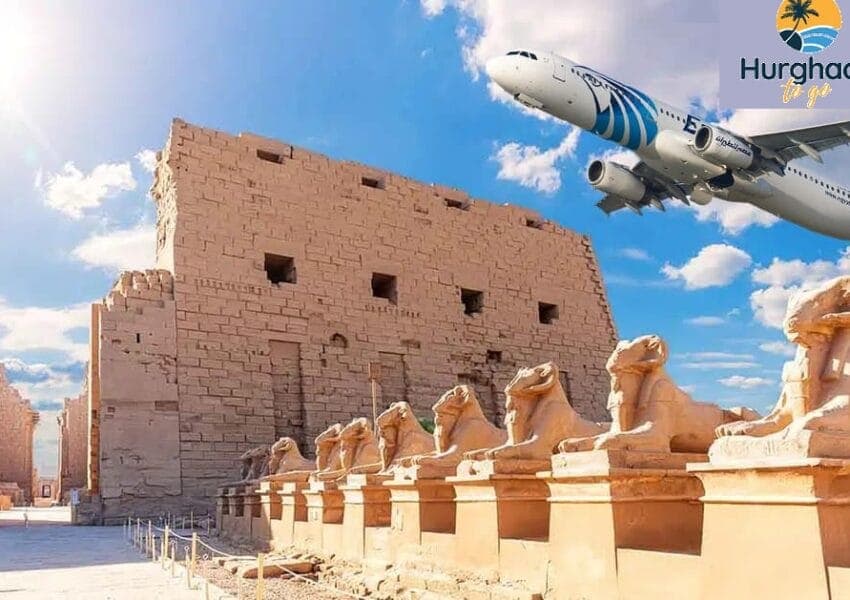
Day Trip to Luxor by Plane from El Gouna, Makadi Bay & Hurghada
A flight-based Luxor day links Karnak, Hatshepsut’s Temple and the Valley of the Kings with specific early departure times.
Flying from the Red Sea coast to Luxor reduces the road journey and allows more time among temples and royal tombs.
This guide follows the advertised sequence of airport transfers, the flight and guided visits, while keeping any optional experiences separate from the core itinerary.
01. At a glance
02. Discover the subject
An early flight-based day
Early pickup and flight schedules shape the entire day.
Karnak’s monumental halls
Karnak’s architecture rewards careful interpretation beyond quick photos.
Royal sites on the West Bank
West Bank tombs and temples complete a different historical chapter.
03. The journey, step by step
Luxor by plane from El Gouna
1. Early Morning Pickup
Your adventure begins early in the morning
At 05:00 AM from hotels in El Gouna and Makadi Bay.
At 05:30 AM from hotels in Hurghada city center.
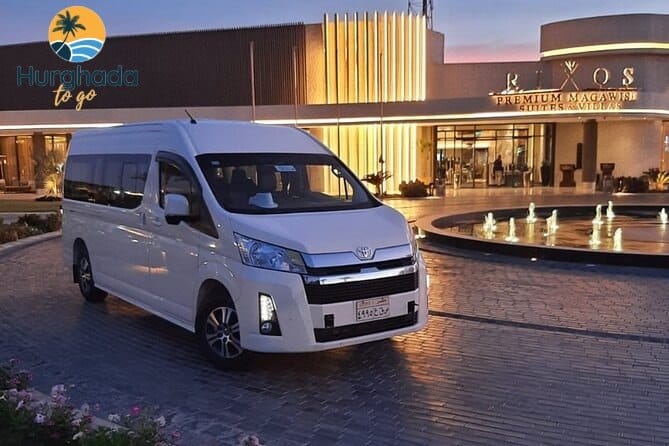
A comfortable transfer will bring you to Hurghada International Airport, where your Egyptologist guide will meet you and assist with boarding.
2. Flight to Luxor
At 08:00 AM, your plane departs Hurghada and lands in Luxor at 09:00 AM. Flying over the Nile Valley is a magical experience, giving you your first glimpse of the land that nurtured the pharaohs.
3. Explore Karnak Temple
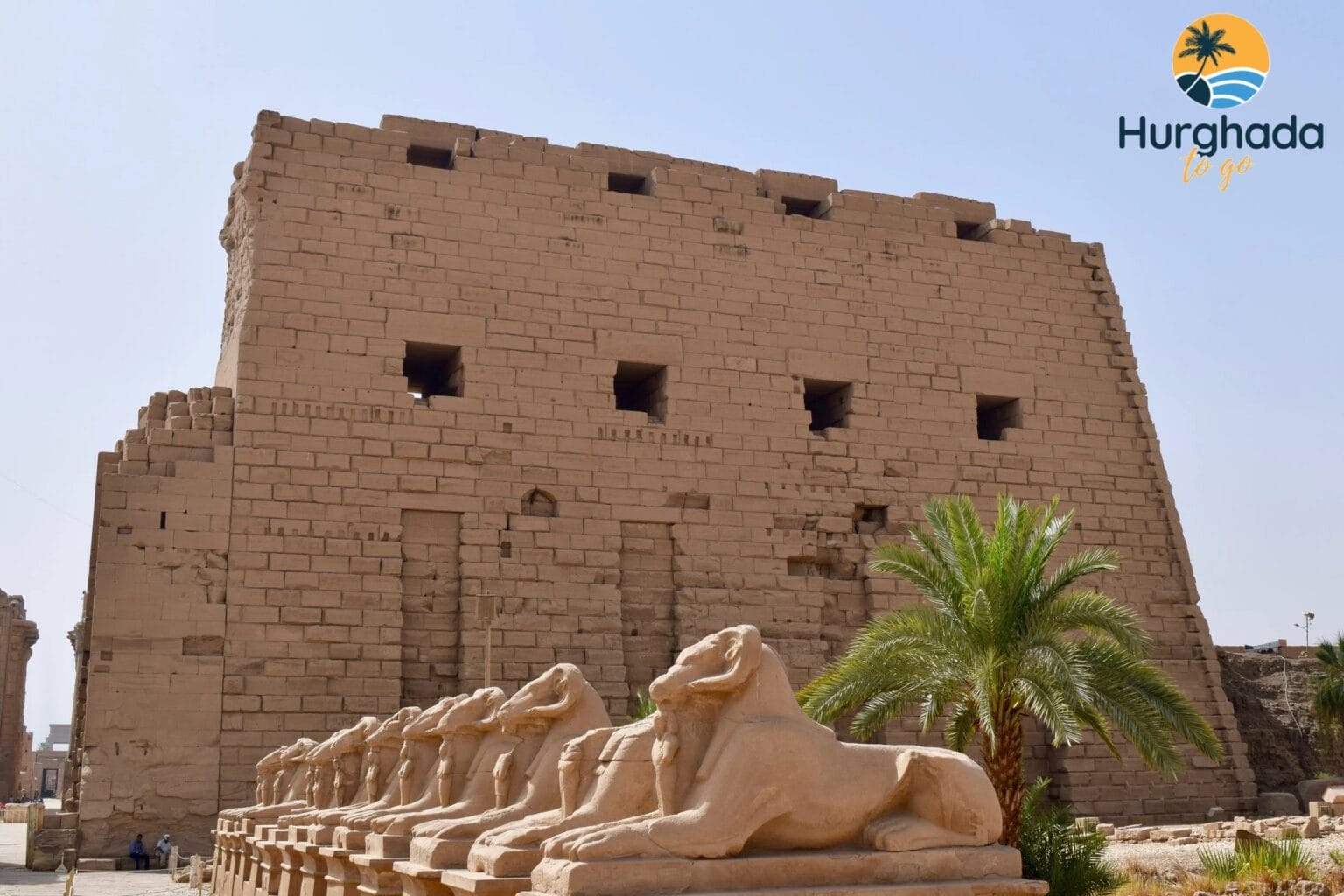
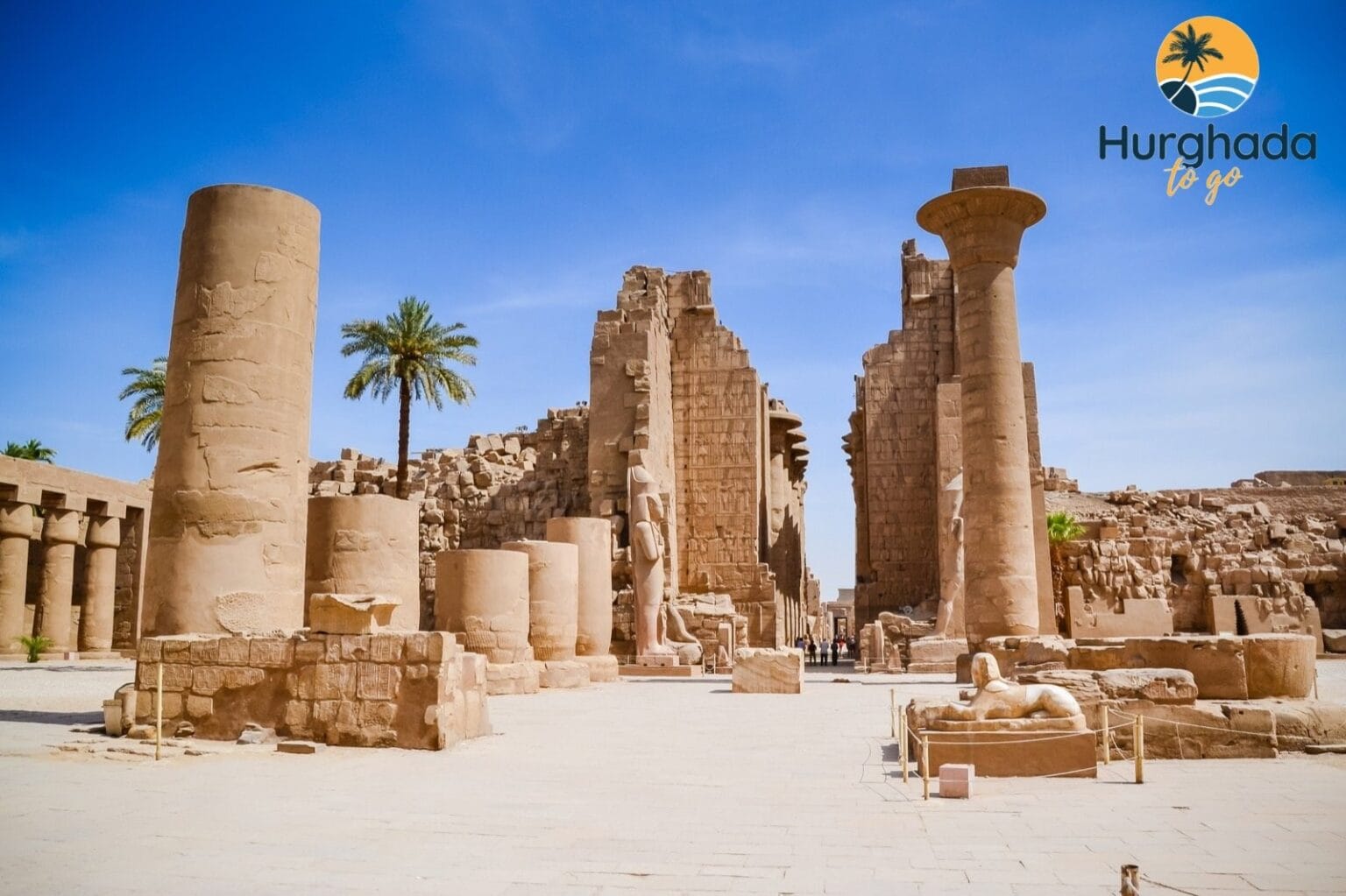
The first stop at 10:00 AM is the majestic Karnak Temple Complex. Walk through colossal columns, sacred lakes, and shrines dedicated to Egypt’s most powerful gods. This site represents over 2,000 years of continuous construction and devotion.
Lunch Break
Enjoy a relaxing open buffet lunch at a local restaurant in Luxor. Please note that drinks are not included in the package.
Temple of Hatshepsut
Continue your journey to the Temple of Hatshepsut, a masterpiece carved directly into limestone cliffs. Dedicated to Egypt’s most successful female ruler, it stands as a testament to her power and legacy.
6. Valley of the Kings
No visit to Luxor is complete without exploring the Valley of the Kings, home to the tombs of legendary pharaohs, including Tutankhamun and Ramses II. Marvel at the colorful wall paintings that have survived thousands of years.
Return to Hurghada
In the evening, your flight will take you back to Hurghada, where our team will transfer you safely to your hotel in Hurghada, El Gouna, or Makadi Bay.
04. Karnak and the historic East Bank
Pickup times: 05:00 AM – from all hotels in El Gouna 05:30 AM – from hotels in Hurghada city center 05:00 AM – from all hotels in Makadi Bay
The Temple of Hatshepsut, also known as Djeser-Djeseru (meaning “Holy of Holies”), is one of the most striking monuments in Egypt and a masterpiece of ancient architecture.
The tour is suitable for families, couples, and solo travelers.
Karnak Temple – The Largest Religious Complex in the World
The Karnak Temple Complex in Luxor is one of the most impressive monuments of Ancient Egypt and the largest religious complex ever built by mankind. It was not constructed in a single period, but rather over 2,000 years of continuous building, expansion, and restoration by successive pharaohs. Almost every ruler from the Middle Kingdom to the Ptolemaic period left their mark on Karnak.
Dedication
Karnak was primarily dedicated to the Theban triad of gods
Amun-Ra – the king of the gods, worshipped as the creator and sun god.
Mut – his consort, the mother goddess.
Khonsu – their son, the moon god.
However, the complex also includes shrines to other deities, reflecting Egypt’s rich religious diversity.
Architectural Wonders
Karnak is not a single temple, but a vast complex of sanctuaries, pylons, obelisks, and sacred lakes. Some highlights include
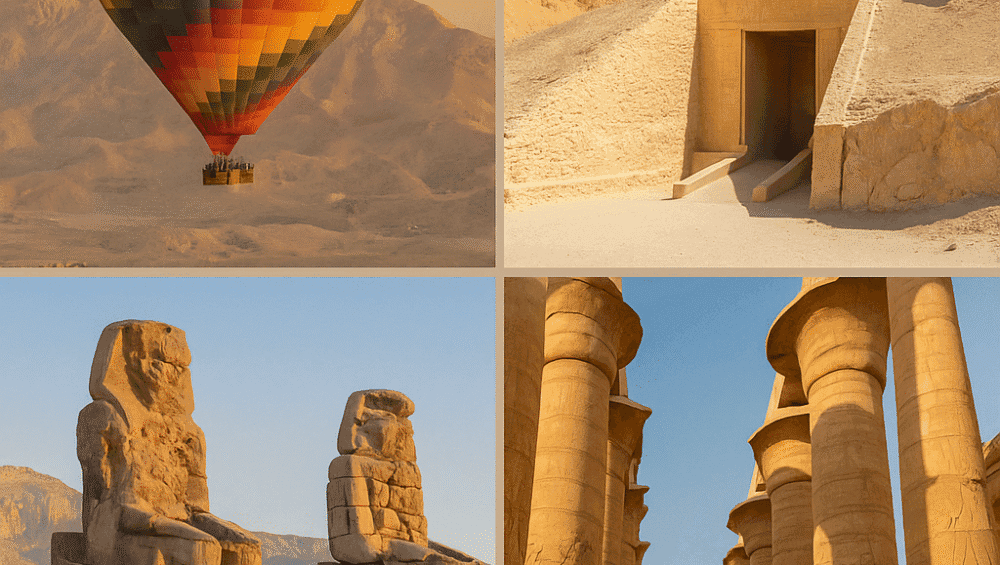
The Hypostyle Hall: This hall alone is worth the trip — covering 50,000 square feet (5,000 m²) with 134 giant sandstone columns, each rising up to 23 meters high. The forest of columns, decorated with colorful hieroglyphics, creates one of the most awe-inspiring sights in Egypt.
The Great Festival Hall of Thutmose III: Built as a celebration hall, it shows the grandeur of royal ceremonies.
Obelisks of Hatshepsut and Thutmose I: Karnak houses some of the tallest ancient obelisks ever erected, symbols of divine power.
Sacred Lake: A large, rectangular pool used for rituals and purification ceremonies by priests.
Symbolism
Karnak was not only a religious center but also a stage of political power. Pharaohs added new structures to honor the gods and demonstrate their might, while also linking themselves to the divine. The temple was considered the dwelling place of the gods on Earth.

05. Hatshepsut and Deir el-Bahari
Temple of Hatshepsut – The Mortuary Temple of the Female Pharaoh
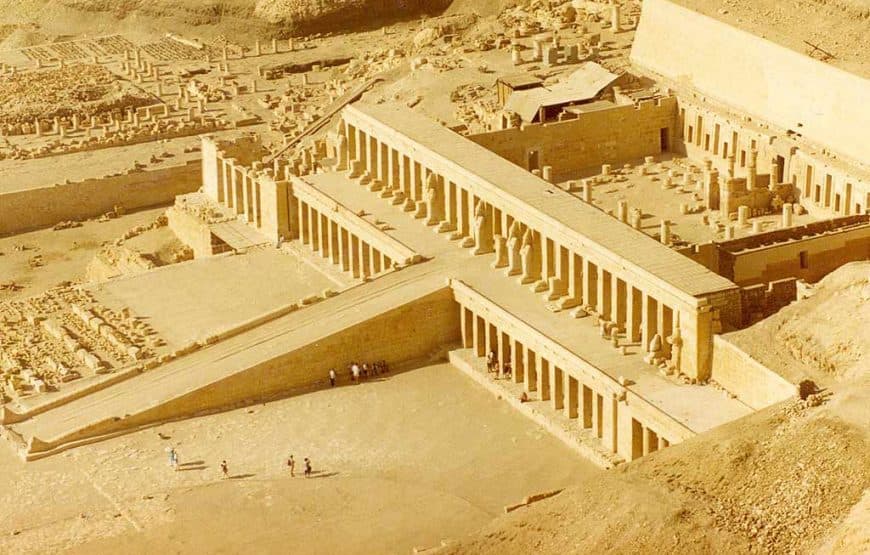
The Temple of Hatshepsut, also known as Djeser-Djeseru (meaning “Holy of Holies”), is one of the most striking monuments in Egypt and a masterpiece of ancient architecture. It was built during the reign of Queen Hatshepsut (1479–1458 BCE), one of the few and most powerful female pharaohs of Ancient Egypt.
Design & Architecture
The temple was designed by Senmut, Hatshepsut’s royal architect and trusted advisor. Unlike other mortuary temples, its design is unique, with three large terraces connected by long ramps. These terraces are decorated with statues, reliefs, and colonnades, blending harmoniously with the surrounding desert cliffs.
The temple is considered a pioneering example of “classical” Egyptian architecture, inspiring later temples with its symmetry and grandeur.
Highlights of the Temple
Terraces & Colonnades: Each terrace features impressive colonnades (rows of pillars) adorned with detailed reliefs showing important events of Hatshepsut’s reign.
Reliefs of the Expedition to Punt: One of the most famous scenes depicts Egypt’s trading expedition to the mysterious land of Punt (likely in modern-day Eritrea/Somalia), where they brought back exotic goods like incense trees, gold, and ivory.
Divine Birth Reliefs: The temple also portrays the story of Hatshepsut’s divine birth, legitimizing her reign as pharaoh chosen by the gods.
Sanctuary of Amun-Ra: At the rear of the temple lies the main sanctuary, dedicated to the god Amun-Ra, who was central to Hatshepsut’s reign.
Significance of Hatshepsut
Hatshepsut was one of the most extraordinary figures in Egyptian history. She ruled Egypt successfully for nearly 20 years, bringing peace, wealth, and monumental building projects. Despite attempts by later pharaohs (notably Thutmose III) to erase her legacy, her temple stands as a testament to her enduring power and vision.
06. Royal tombs and travel considerations
Tour Overview
Pickup times: 05:00 AM – from all hotels in El Gouna 05:30 AM – from hotels in Hurghada city center 05:00 AM – from all hotels in Makadi Bay
05:00 AM – from all hotels in El Gouna
05:30 AM – from hotels in Hurghada city center
05:00 AM – from all hotels in Makadi Bay
Flight schedule: Departure from Hurghada Airport: 08:00 AM Arrival in Luxor: 09:00 AM
Departure from Hurghada Airport: 08:00 AM
Arrival in Luxor: 09:00 AM
Tour highlights: Start at 10:00 AM with your Egyptologist guide Visit Karnak Temple Complex – the world’s largest open-air museum Enjoy a delicious open buffet lunch at a local restaurant Explore the Temple of Hatshepsut, the female pharaoh’s masterpiece Walk through the Valley of the Kings, final resting place of Egypt’s mighty pharaohs
Start at 10:00 AM with your Egyptologist guide
Visit Karnak Temple Complex – the world’s largest open-air museum
Enjoy a delicious open buffet lunch at a local restaurant
Explore the Temple of Hatshepsut, the female pharaoh’s masterpiece
Walk through the Valley of the Kings, final resting place of Egypt’s mighty pharaohs
What’s included: Round-trip transfers from your hotel to Hurghada Airport Domestic flight tickets (Hurghada – Luxor – Hurghada) Entrance fees to all mentioned sites Professional Egyptologist guide (speaks your language)
Round-trip transfers from your hotel to Hurghada Airport
Domestic flight tickets (Hurghada – Luxor – Hurghada)
Entrance fees to all mentioned sites
Professional Egyptologist guide (speaks your language)
What’s not included: Drinks during lunch Personal tips
Why Choose a Day Trip to Luxor by Plane?
Traveling to Luxor by bus takes around 4–5 hours one way, which can make the trip exhausting. That’s why our Day Trip to Luxor from El Gouna by Plane, Day Trip to Luxor from Makadi by Plane, and Day Trip to Luxor from Hurghada by Plane are designed for travelers who value their time and comfort.
By flying, you save hours of travel, leaving you with more energy to immerse yourself in the awe-inspiring temples, tombs, and ancient treasures of Luxor. You’ll arrive fresh and ready to explore one of the most incredible open-air museums in the world.
The Valley of the Kings – Eternal Resting Place of Pharaohs
The Valley of the Kings, or Wadi el-Muluk, is one of the most famous archaeological sites in the world. Nestled in the rugged desert hills on the west bank of the Nile near Luxor, this valley served as the royal burial ground for the New Kingdom pharaohs (1550–1070 BCE).
For more than 500 years, Egypt’s greatest rulers, including Tutankhamun, Ramses II, and Seti I, were laid to rest in elaborately decorated tombs designed to ensure their safe journey to the afterlife.
Location & Setting
The valley is hidden within stark limestone cliffs, chosen for its seclusion and natural protection. Unlike earlier pyramids, which were easy targets for tomb robbers, this remote site was selected to safeguard the pharaohs’ treasures. Despite this, most tombs were eventually looted in antiquity, but their magnificent artistry still survives.
Tombs & Architecture
The Valley contains over 60 tombs, ranging from small, unfinished chambers to vast, elaborate complexes with more than 100 rooms.
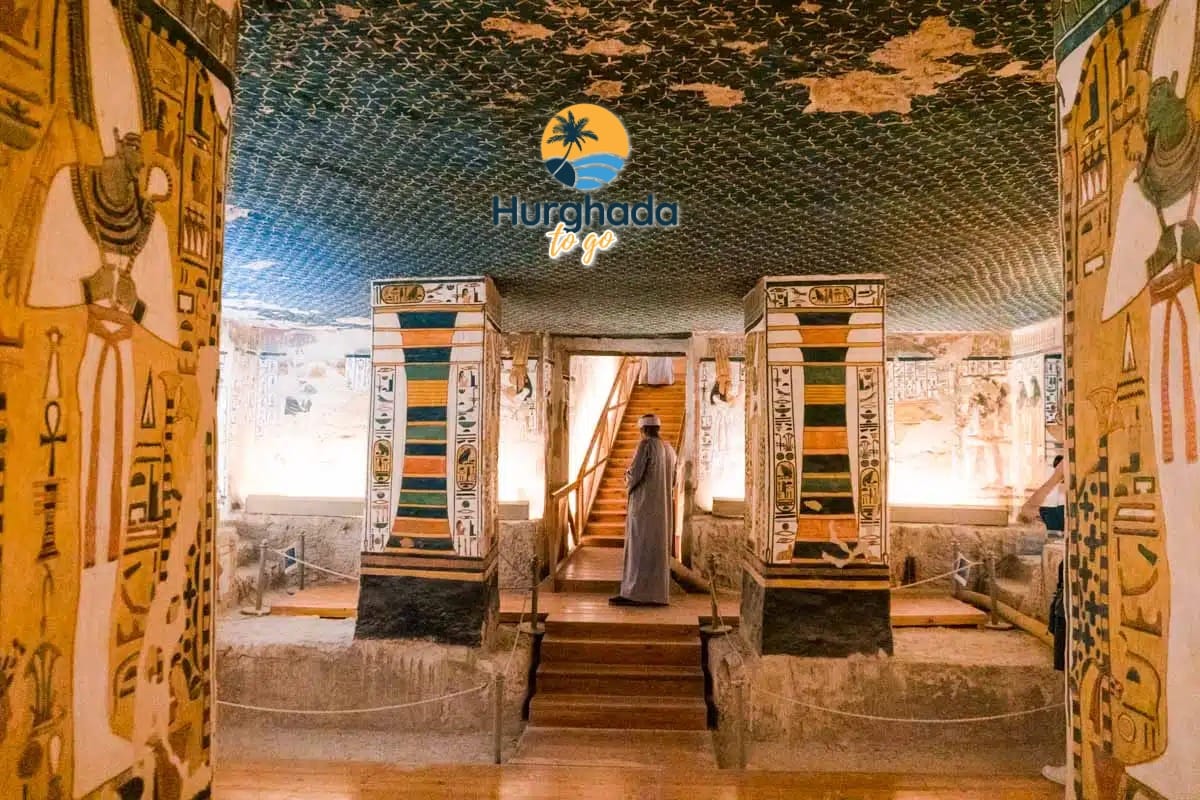
Decorated Corridors: The walls are covered in vibrant reliefs and paintings that depict scenes from the Book of the Dead and other sacred texts, guiding the pharaoh’s soul to eternity.
Symbolism: Every detail — from stars on the ceilings to carvings of gods and protective spells — was meant to ensure immortality.
Famous Tombs: Tutankhamun’s Tomb (KV62) – Discovered almost intact by Howard Carter in 1922, it revealed the young king’s golden treasures. Seti I’s Tomb (KV17) – The longest and one of the most beautifully decorated tombs. Ramses VI’s Tomb (KV9) – Renowned for its celestial ceiling and detailed paintings.
Tutankhamun’s Tomb (KV62) – Discovered almost intact by Howard Carter in 1922, it revealed the young king’s golden treasures.
Seti I’s Tomb (KV17) – The longest and one of the most beautifully decorated tombs.
Ramses VI’s Tomb (KV9) – Renowned for its celestial ceiling and detailed paintings.
Visiting Experience Today
When you visit the Valley of the Kings on your Day Trip to Luxor from El Gouna by Plane, Day Trip to Luxor from Makadi by Plane, or Day Trip to Luxor from Hurghada by Plane, you’ll explore several tombs, each with its own atmosphere and artistic marvels.
Walk down sloping corridors into the heart of the earth.
Marvel at the brilliantly preserved wall paintings, which still glow with original colors.
Learn from your Egyptologist guide, who will decode the fascinating myths and rituals carved on the walls.
The Valley offers a truly magical and spiritual experience — a chance to step into the afterlife world envisioned by the pharaohs over 3,000 years ago.
Important Notes
The tour is suitable for families, couples, and solo travelers.
Comfortable shoes, sunscreen, and a hat are highly recommended.
Don’t forget your passport for the domestic flight check-in.
Drinks during lunch and tips for your guide/driver are not included in the package.
07. Further historical and visitor context
Location
The temple lies on the east bank of the Nile, just north of Luxor city center, and was once the spiritual heart of Thebes, the capital of Ancient Egypt during the New Kingdom.
Historical Importance
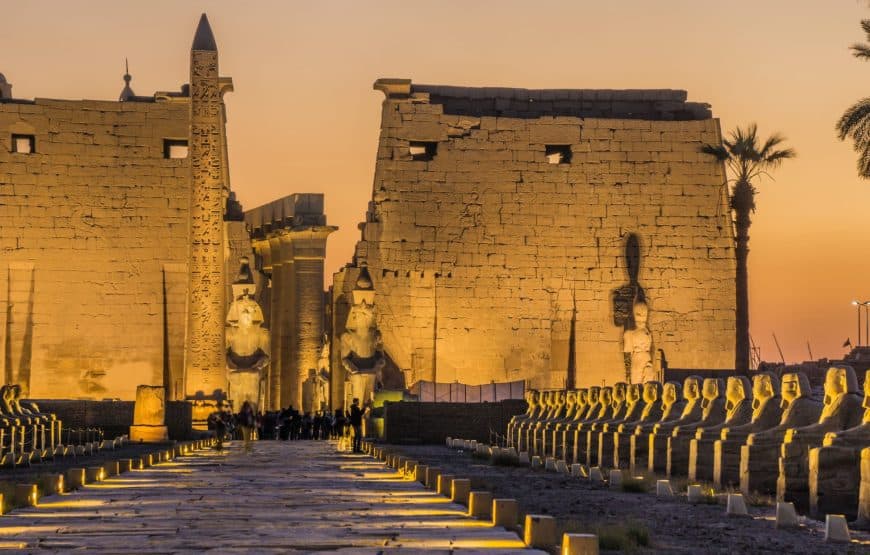
During festivals like the Opet Festival, statues of the gods were carried from Karnak to Luxor Temple along the Avenue of Sphinxes. These processions reinforced the connection between gods, kings, and people.
Tourist Experience Today
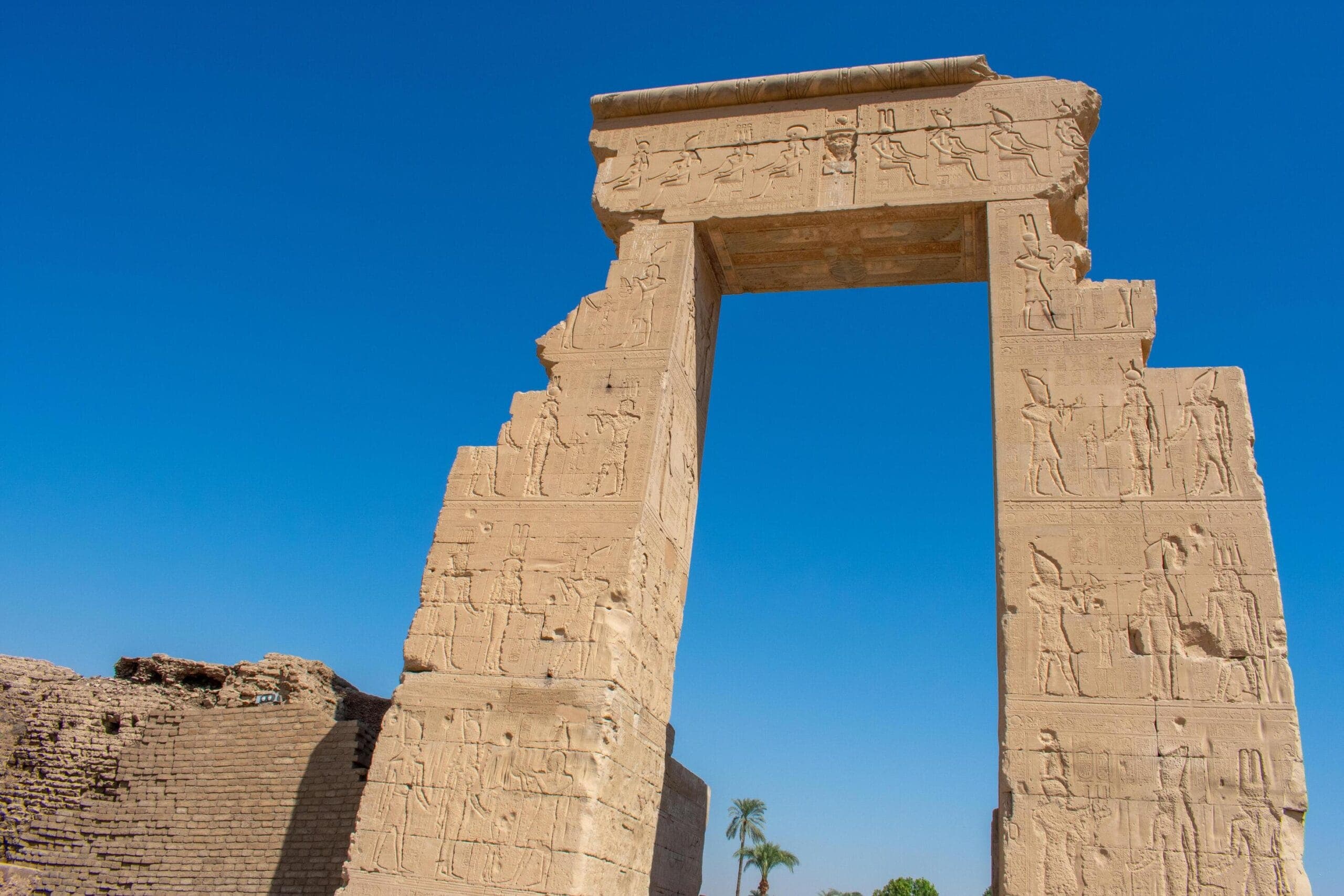
When you visit Karnak Temple on a Day Trip to Luxor from El Gouna by Plane, a Day Trip to Luxor from Makadi by Plane, or a Day Trip to Luxor from Hurghada by Plane, your Egyptologist guide will take you through its monumental gates, explaining the symbolism of carvings, hieroglyphs, and colossal statues.
At sunset, Karnak becomes magical, with its golden sandstone glowing under the fading light. Visitors can also attend the famous Sound & Light Show, which brings history alive through lights, music, and narration.
Location
The temple is nestled against the cliffs of Deir el-Bahari, on the west bank of the Nile near Luxor. Its backdrop of limestone cliffs creates a dramatic and natural frame, making it one of the most photogenic sites in Egypt.
Tourist Experience Today
When you visit the Temple of Hatshepsut during your Day Trip to Luxor from El Gouna by Plane, Day Trip to Luxor from Makadi by Plane, or Day Trip to Luxor from Hurghada by Plane, your Egyptologist guide will explain the incredible stories carved into the walls. Walking up the ramps, you’ll feel the same grandeur ancient Egyptians experienced during religious ceremonies more than 3,000 years ago.
The temple’s elevated terraces offer panoramic views of the Valley of the Kings and the fertile Nile Valley — making it a perfect spot for unforgettable photos.
Historical Significance
The Valley of the Kings reflects the ancient Egyptians’ deep belief in the afterlife. Instead of pyramids, these hidden tombs symbolized the journey through the underworld, with the hope of rebirth alongside the sun god Ra.
It also represents the height of Egyptian artistry, engineering, and religious devotion.
08. Questions travellers ask
What pickup time is described for El Gouna?
Pick-up from El Gouna hotels is listed for 05:00 AM and 05:30 AM for central Hurghada; confirm the timetable on your travel date.
Does the itinerary name Karnak and Hatshepsut’s Temple?
Yes. Both appear alongside the Valley of the Kings in the one-day sightseeing plan.
What time is the flight?
It lists an 08:00 AM departure from Hurghada and 09:00 AM arrival at Luxor; actual flight schedules must be reconfirmed.
Plan your visit with Hurghada To Go
Ask our team about the current trip arrangements, availability and details that matter for your travel date.
Relevant tours you can book
Compare these separate bookable experiences and their confirmed listed services.
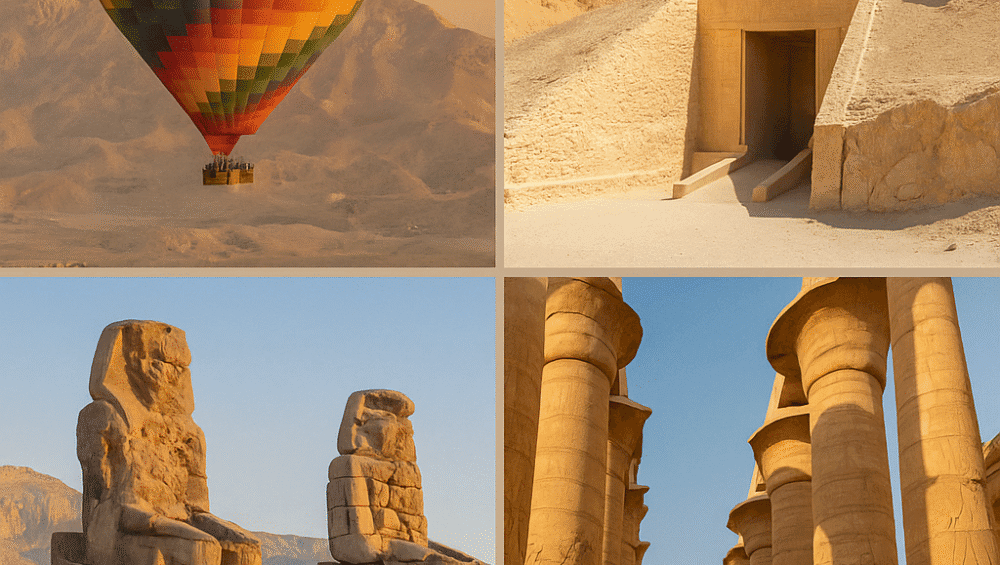
2-Day Luxor Tour from Hurghada by Flight – Balloon & Nile Boat
Luxor Full Day Tour from Hurghada – Small Group
2-Day Private Luxor Tour from Hurghada with 5-Star Hotel

Egypt, made easier to discover.
Hurghada To Go brings together carefully selected experiences, useful local knowledge and practical travel planning across Egypt — from the Red Sea to Luxor, Aswan, Cairo and the Nile.
Ready to Plan Your Egypt Trip?
Browse current Hurghada To Go experiences or contact the team if you need help choosing the right itinerary for your trip.