
Famous Egyptian Dishes: From Ful & Koshary to Red Sea Seafood
Famous Egyptian Dishes: From Ful & Koshary to Red Sea Seafood
Explore breakfast staples, street food, home dishes, seafood and Egyptian sweets.
Egyptian cooking ranges from fava-bean breakfast staples and filling street food to slow-cooked family dishes, Red Sea seafood and syrup-soaked desserts. This guide organizes the dishes by when and how they are enjoyed.
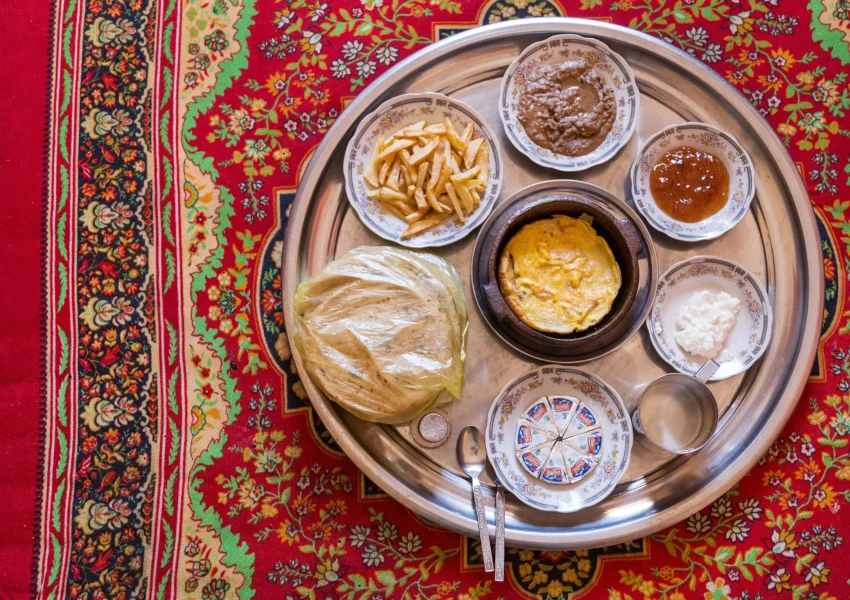
01.Breakfast classics: ful and ta’ameya
Egyptians love a nourishing breakfast to fuel long days under the sun. These dishes are often vegetarian, affordable, and packed with protein.
Ful Medames
Key Ingredients : Dried fava beans, olive oil, garlic, lemon juice, cumin, salt, optional toppings like eggs, tahini, or pickled veggies.
Preparation Overview : Soak beans overnight, simmer until tender (hours on the stove or quicker in a pressure cooker), mash slightly, and mix in seasonings. Heat gently and top as desired.
History and Cultural Notes : Dating back to ancient Egypt around 3000 BCE, ful was a staple for laborers building the pyramids. Today, it’s a breakfast icon, symbolizing resilience and everyday Egyptian life—eaten by everyone from street vendors to families during Ramadan. It’s vegan and nutritious, providing fiber and protein for sustained energy.
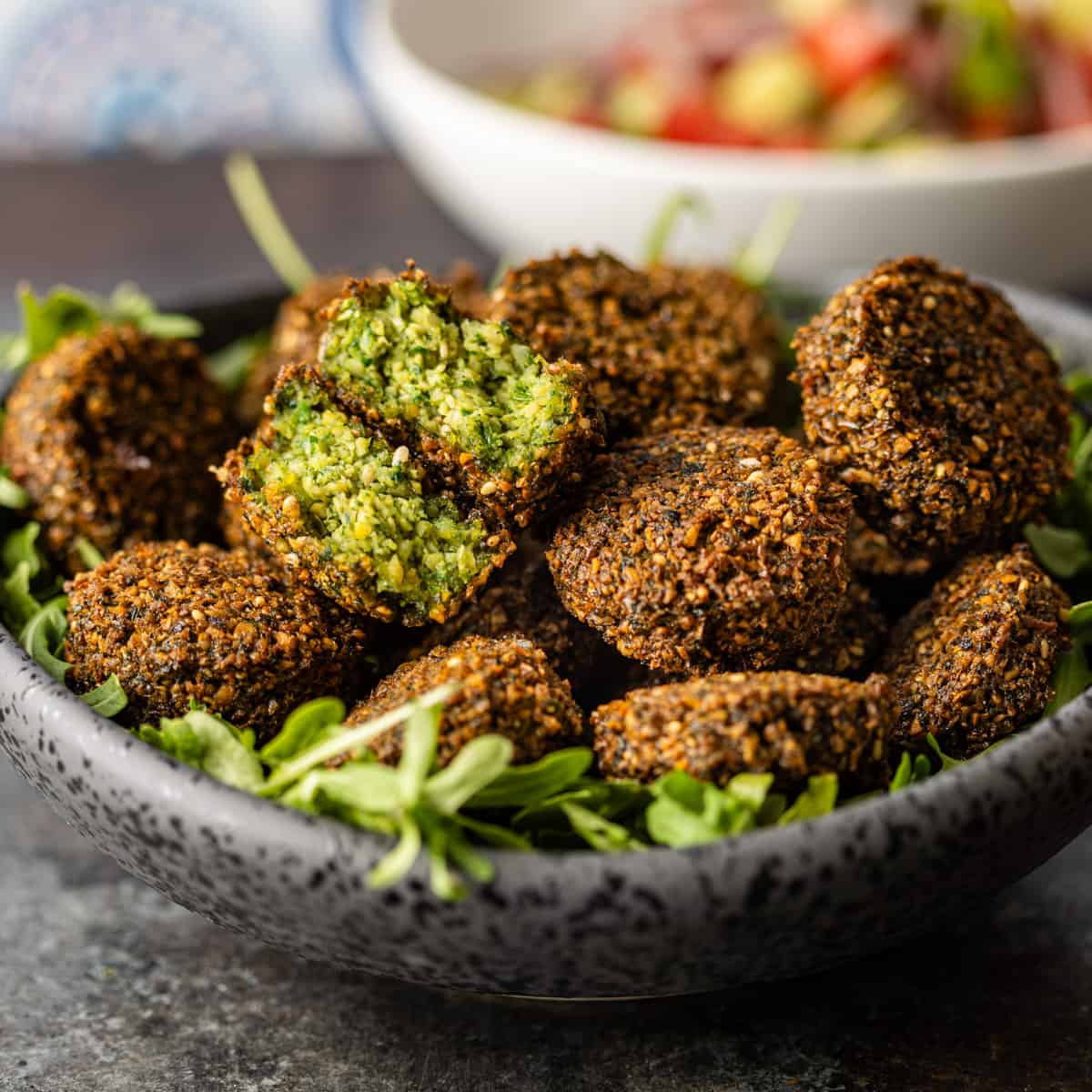
Ta’ameya (Egyptian Falafel)
Key Ingredients : Soaked fava beans, fresh parsley, cilantro, dill, onion, garlic, coriander, sesame seeds for coating.
Preparation Overview : Blend beans and herbs into a paste, season, shape into patties, coat in sesame, and fry until golden. Drain on paper towels and serve hot.
History and Cultural Notes : With roots in pharaonic Egypt, ta’ameya reflects Coptic fasting traditions (no meat). It’s a street food star, sold from carts in Alexandria and Cairo, embodying Egypt’s love for affordable, flavorful snacks.
02.Street food you should recognize
Street food in Egypt is vibrant and diverse, offering carbs, proteins, and spices in portable packages. These are perfect for on-the-go eating amid the chaos of souks.
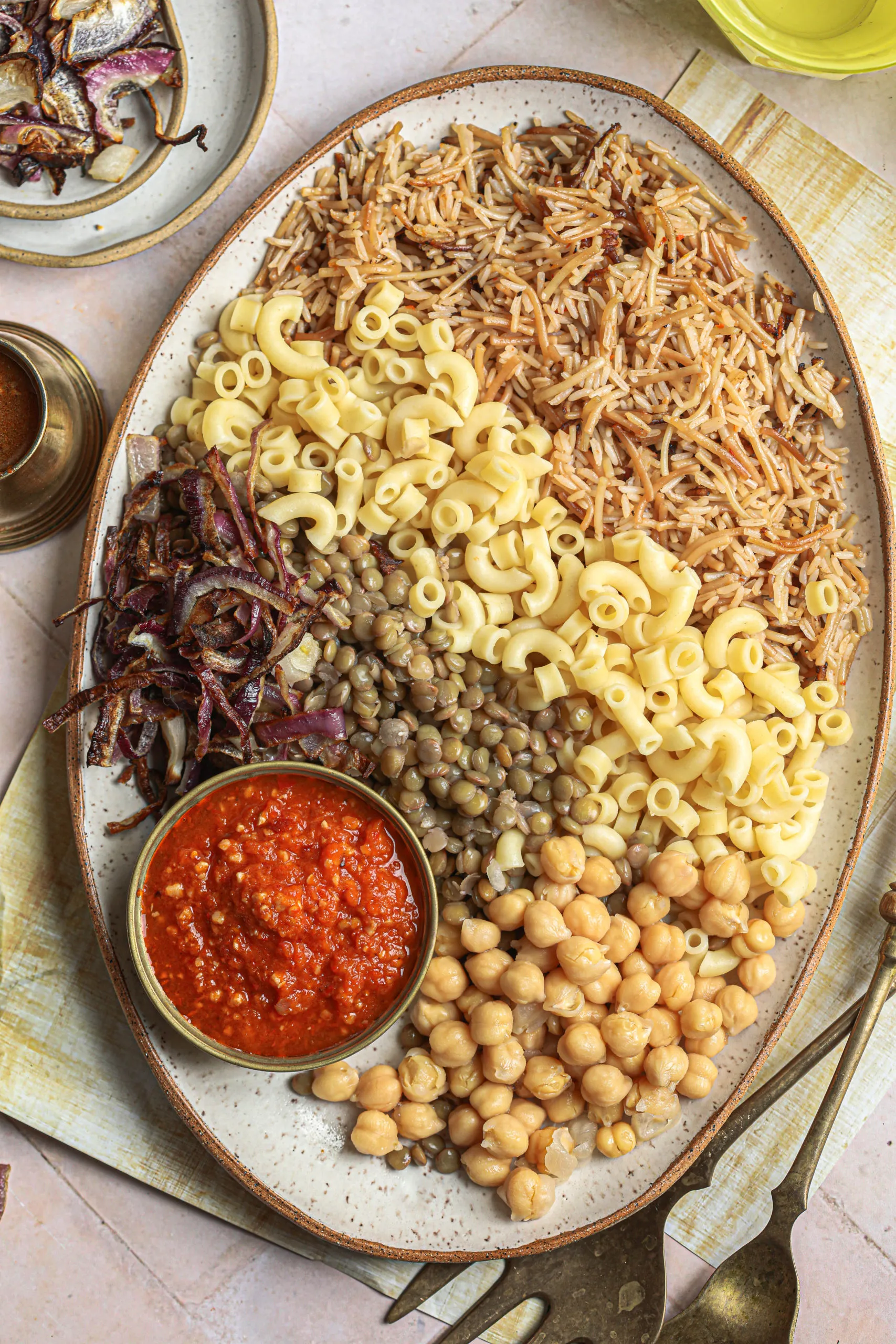
Koshary (or Kushari)
Key Ingredients : Rice, lentils, pasta (macaroni and spaghetti), chickpeas, tomatoes, garlic, vinegar, onions, cumin.
Preparation Overview : Cook each component separately—boil lentils and pasta, fry rice with vermicelli for crunch. Make a tangy tomato sauce, fry onions golden, then assemble in bowls and drizzle sauces.
History and Cultural Notes : Emerging in the 19th century from Indian and Italian influences during British rule, koshary became a national comfort food. It’s egalitarian—eaten by all classes—and a symbol of Egypt’s multicultural history. In 2025, it’s still the ultimate street eat, with dedicated koshary shops thriving.
Hawawshi
This is like an Egyptian sloppy joe: minced meat (beef or lamb) mixed with onions, peppers, and spices, stuffed into baladi bread, and baked until juicy and crisp. It’s savory, portable, and often spiced with chili for heat.
Key Ingredients : Ground beef/lamb, onions, bell peppers, garlic, cumin, paprika, salt, flatbread.
Preparation Overview : Mix meat filling, stuff into slit bread pockets, brush with oil, and bake at high heat until bread toasts and meat cooks through.
History and Cultural Notes : Named after its inventor, a butcher in Cairo, hawawshi gained popularity in the 20th century as fast food. It’s a favorite for picnics or late-night snacks, highlighting Egypt’s meat-grilling traditions.
Shawarma
Thinly sliced marinated meat (chicken, beef, or lamb) roasted on a vertical spit, shaved off, and wrapped in pita with tahini, garlic sauce, tomatoes, and onions. It’s juicy, smoky, and addictive.
Key Ingredients : Meat slices, yogurt marinade with garlic, lemon, cumin, coriander, paprika; pita, veggies, tahini.
Preparation Overview : Marinate meat overnight, stack on spit and roast slowly. Slice and wrap with fixings.
History and Cultural Notes : Brought by Ottoman Turks in the 19th century, shawarma adapted to Egyptian tastes. It’s a staple in urban areas, reflecting migration and fusion cuisine.
03.Traditional family meals
These dishes shine at family dinners or holidays, often involving stews, stuffings, and slow cooking.
Molokhiya
Key Ingredients : Molokhiya leaves (fresh or dried), chicken/beef broth, garlic, coriander, butter/ghee.
Preparation Overview : Finely chop leaves, sauté garlic in ghee, add broth and leaves, simmer to thicken. Serve hot with lemon wedges.
History and Cultural Notes : Ancient Egyptians cultivated molokhiya 4,000 years ago for food and medicine. It’s a national pride, especially in rural areas, and tied to health benefits like digestion aid.
Mahshi
Stuffed veggies like zucchini, eggplant, peppers, or grape leaves filled with rice, herbs, tomatoes, and sometimes meat. Cooked in broth until tender.
Key Ingredients : Rice, tomatoes, onions, parsley, dill, mint, ground meat (optional), veggies for stuffing, broth.
Preparation Overview : Hollow veggies, mix filling, stuff loosely, simmer in tomato-based broth.
History and Cultural Notes : Shared with Mediterranean neighbors, mahshi dates to Ottoman times but has pharaonic veggie-stuffing roots. It’s festive, symbolizing abundance.
Fatta
Layers of toasted bread, rice, and meat (lamb or beef) soaked in garlic-vinegar sauce, often topped with yogurt.
Key Ingredients : Bread, rice, meat, garlic, vinegar, yogurt, pine nuts.
Preparation Overview : Toast bread, cook rice and meat, layer, pour hot sauce over.
History and Cultural Notes : Eaten during Eid al-Adha, fatta uses sacrificial meat, reflecting Islamic traditions.
Bamia (Okra Stew)
Tender okra stewed with lamb, tomatoes, and onions—slimy texture loved or hated, but flavorful.
Key Ingredients : Okra, lamb, tomatoes, onions, garlic, coriander.
Preparation Overview : Sauté meat and veggies, add okra, simmer in tomato sauce.
History and Cultural Notes : Ancient staple, bamia highlights Nile produce.
Hamam Mahshi (Stuffed Pigeon)
Pigeons stuffed with rice or freekeh, herbs, then grilled or roasted.
Key Ingredients : Pigeon, rice/freekeh, onions, cinnamon, nuts.
Preparation Overview : Stuff, sew, boil then roast.
History and Cultural Notes : Delicacy since pharaohs, for special occasions.
Kebda Iskandarani (Alexandrian Liver)
Spicy fried liver with peppers, garlic, and cumin.
Key Ingredients : Beef liver, bell peppers, garlic, chili, cumin.
Preparation Overview : Slice liver, fry with spices and veggies.
History and Cultural Notes : Coastal specialty from Alexandria, street food fave.
04.Fish and seafood from the Red Sea
The Red Sea, with its crystal-clear turquoise waters and vibrant coral reefs, isn’t just a diver’s paradise—it’s a treasure trove for Egyptian seafood lovers. Stretching along Egypt’s eastern coast from the Gulf of Suez to the Sudanese border, this iconic body of water teems with diverse marine life, from plump shrimp and squid to flaky grouper and snapper. Egyptian coastal cuisine, particularly in spots likeHurghada, Sharm El Sheikh, and Dahab, draws heavily from these bounties, blending ancient pharaonic fishing traditions with Mediterranean, Ottoman, and Arab influences. Freshness is paramount here: fish often goes straight from boat to grill, emphasizing.
These dishes are more than meals—they’re a cultural ritual, shared at seaside eateries or family gatherings, often accompanied by baladi bread and tangy tahini. Rooted in Egypt’s history as a maritime crossroads, Red Sea seafood reflects resilience and abundance, sustaining Bedouin communities and tourists alike. In 2025, with sustainable fishing practices gaining traction, these classics are evolving while staying true to their roots. Let’s plunge into the most famous ones, complete with origins, ingredients, and easy prep tips to bring a taste of the Red Sea to your table. Prepare for a salty, spicy adventure!
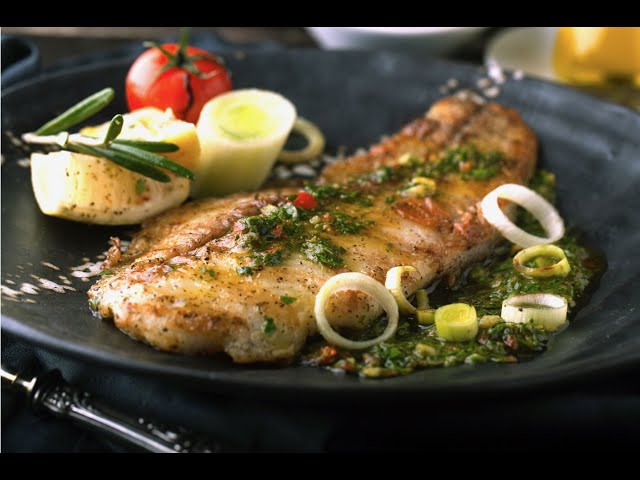
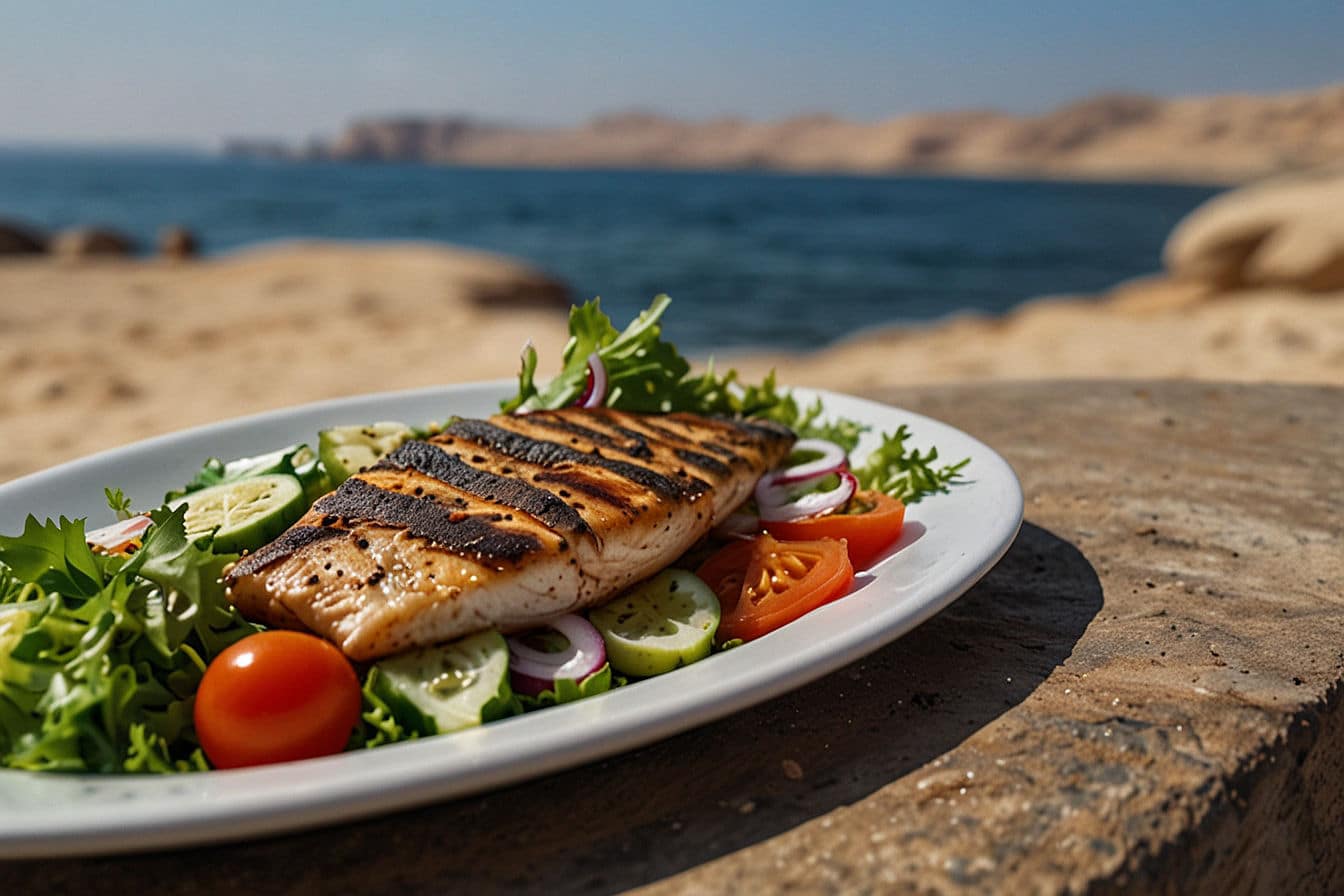
Nothing captures the essence of Red Sea dining like the sizzle of fresh catch on an open grill. These dishes highlight the region’s prized fish, like hamour (grouper) and barracuda, grilled whole for maximum juiciness.
Samak Mashwi (Grilled Fish Egyptian-Style)
Key Ingredients : Whole white fish (hamour/grouper, sea bass, or snapper; 1-2 lbs), olive oil, garlic, cumin, coriander, paprika, lemon juice, salt, pepper, optional bay leaves for stuffing.
Preparation Overview : Clean and score the fish deeply on both sides. Mix marinade (oil, minced garlic, spices, lemon), rub inside and out, let sit 30-60 minutes. Grill over medium-high heat, skin-side down first, 5-7 minutes per side until flaky. Rest, then squeeze fresh lemon over top.
History and Cultural Notes : Dating back to ancient Egyptian fishermen who grilled Nile perch over open fires, Samak Mashwi evolved with Red Sea trade routes, incorporating Arab spices. It’s a staple for iftar during Ramadan and beach picnics, symbolizing Egypt’s seafaring heritage. Today, it’s a health-conscious hit, packed with omega-3s and low-cal flavors.
Gambari Mashwi (Grilled Shrimp)
Succulent Red Sea prawns, skewered and charred, bursting with garlic and herb notes. They’re sweet, smoky, and often wrapped in foil packets with butter for extra juiciness—perfect for sharing.
Key Ingredients : Large fresh shrimp (peeled, deveined, tails on; 1 lb), olive oil, garlic, lemon zest, cumin, chili flakes, fresh parsley, salt.
Preparation Overview : Marinate shrimp in oil-spice mix for 20 minutes. Skewer and grill 2-3 minutes per side until pink and opaque. Brush with garlic butter midway for gloss.
History and Cultural Notes : Shrimp fishing boomed in the Red Sea post-Ottoman era, turning this into a coastal delicacy. Bedouins grill them over desert fires, while resorts in Sharm El Sheikh serve upscale versions. It’s a nod to Egypt’s pearl-diving past, where divers traded catches for spices.
Gambari Maklee (Crispy Fried Shrimp)
Key Ingredients : Medium shrimp (1 lb, deveined), flour, cornstarch, baking powder, cumin, paprika, garlic powder, salt, egg (for batter), vegetable oil for frying.
Preparation Overview : Pat shrimp dry, season. Mix dry batter ingredients, whisk in egg and water for a light paste. Dip shrimp, fry at 350°F for 2-3 minutes until golden. Drain and sprinkle sea salt.
History and Cultural Notes : Inspired by Alexandrian fish fries but perfected in Red Sea ports, this dish surged in popularity with 20th-century tourism. It’s a quick protein punch for fishermen, now a staple at spots like Zaki Al Samak in Cairo, echoing pharaonic fried fish from 1500 BCE.
Samak Maqli (Fried Fish Fillets)
Flaky fillets like red mullet or sole, dredged in seasoned flour and fried crisp. Zesty cumin crust pairs with the mild fish, served with tarator (tahini sauce) for dipping.
Key Ingredients : Fish fillets (red mullet or sole; 1 lb), flour, cumin, coriander, salt, pepper, lemon, oil.
Preparation Overview : Season fillets, coat in spiced flour. Fry in hot oil 3-4 minutes per side until crunchy. Serve with lemon.
History and Cultural Notes : A Red Sea evolution of ancient salted fish, fried versions became street food in Suez ports. It’s everyday fare for coastal families, rich in history from Roman-era recipes.
Kalamar Maklee (Fried Calamari)
Tender squid rings, battered and fried, with a chew that’s addictive. Red Sea squid’s freshness makes this lighter than Mediterranean versions.
Key Ingredients : Squid tubes (cleaned, sliced; 1 lb), flour, semolina, spices (cumin, black pepper), oil.
Preparation Overview : Marinate squid in lemon 10 minutes, coat in flour mix, fry 2 minutes. Season hot.
History and Cultural Notes : Ottoman influence brought squid to Egyptian tables; Red Sea divers harvest it sustainably. A modern bar snack with ancient roots in shellfish stews.
Samak Bil Kharaz (Fish in Red Tomato Sauce)
Whole fish baked in a vibrant tomato sauce, bubbling with garlic and herbs. It’s saucy, aromatic, and perfect over rice, capturing the Red Sea’s sunny disposition.
Key Ingredients : Whole fish (sea bream or tilapia; 1-2 lbs), tomatoes (canned or fresh), onions, garlic, bell peppers, cumin, coriander, olive oil, lemon.
Preparation Overview : Sauté onions, garlic, peppers; add blended tomatoes and spices, simmer 10 minutes. Layer fish in dish, pour sauce over, bake at 375°F for 25-30 minutes until flaky.
History and Cultural Notes : A pharaonic staple updated with Arab tomatoes, this dish thrives in Red Sea villages where it’s cooked in clay ovens. It’s festive, often for weddings, blending Nile and sea traditions.
Saneya Semaak (Baked Fish Tray)
A sheet-pan wonder: mixed seafood (shrimp, fish, mussels) baked with potatoes, onions, and spices in a garlicky broth. Rustic and communal.
Key Ingredients : Assorted seafood (1 lb total), potatoes, onions, garlic, cumin, paprika, tomato paste, stock.
Preparation Overview : Layer sliced veggies in tray, top with seasoned seafood, drizzle oil and stock. Bake covered 20 minutes, uncover to crisp.
History and Cultural Notes : Bedouin-inspired, using Red Sea hauls; it’s a one-pan meal for nomads. Now a resort favorite, echoing 19th-century coastal fusion.
Ruz Sayadeya (Egyptian Seafood Rice)
Golden, caramelized rice infused with onion depth and cumin— the ultimate base for grilled fish.
Key Ingredients : Medium-grain rice (2 cups), onions, cumin, coriander, paprika, vermicelli, broth (seafood preferred), oil.
Preparation Overview : Fry onions golden, add broken vermicelli till toasted, stir in rice and spices, simmer in broth 15-20 minutes fluffy.
History and Cultural Notes : Born in Alexandria but beloved along the Red Sea, this “fisherman’s rice” uses stock from the catch. It’s tied to Coptic fasting, providing sustenance without meat.
Fesikh (Fermented Mullet)
A bold delicacy: salted, dried gray mullet, pungent and umami-rich, eaten with bread for holidays.
Key Ingredients : Fresh gray mullet, salt, optional spices.
Preparation Overview : Gut, salt heavily, ferment 15-30 days in sun, rinse and dry. Slice thin.
History and Cultural Notes : Ancient Egyptian origins for Sham El-Nessim (spring festival since 2700 BCE). Red Sea mullet adds a marine twist; it’s risky if not fresh, but a cultural icon.
Samak Bel Rada (Bran-Coated Fish)
Sea bass wrapped in bran, broiled for smoky char— a unique Alexandrian export to Red Sea menus.
Key Ingredients : Whole sea bass, wheat bran, garlic marinade, potatoes.
Preparation Overview : Marinate fish, coat in wet bran, broil with veggies 20 minutes.
History and Cultural Notes : 20th-century innovation for crisp skin without oil; popular in Hurghada for its nutty crunch.
05.Egyptian desserts and sweet traditions
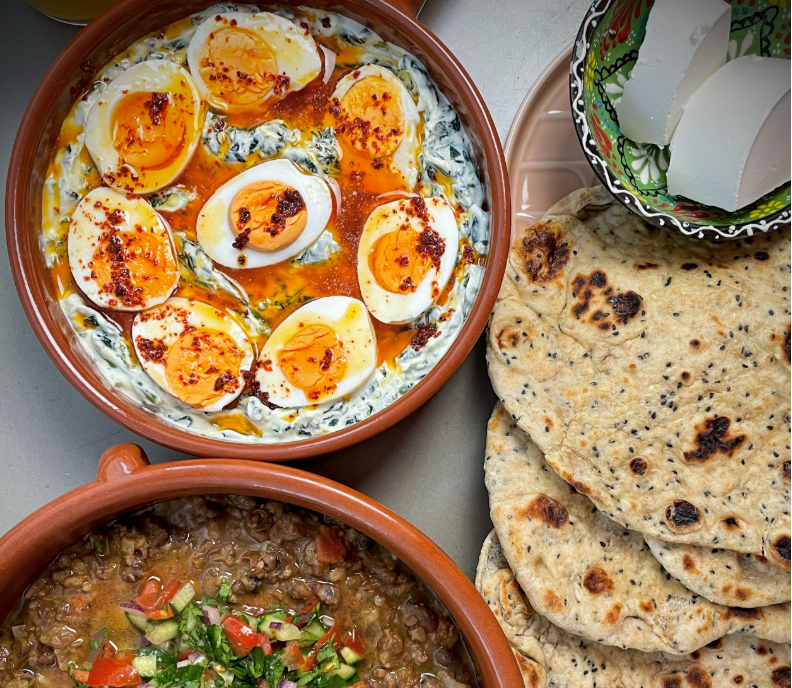
Sweet Endings: Egyptian Desserts to Indulge In
No meal is complete without something sweet—Egyptian desserts are syrupy, nutty, and often baked.
Umm Ali (Om Ali)
Key Ingredients : Puff pastry or bread, milk, sugar, almonds, pistachios, raisins, coconut.
Preparation Overview : Tear pastry, soak in sweetened milk, top with nuts, bake.
History and Cultural Notes : Legend says it celebrates the death of a rival queen in the 13th century—cooked by her servant “Umm Ali.” Dark origins aside, it’s a Ramadan staple, warm and comforting.
Basbousa
Semolina cake soaked in syrup, topped with almonds—dense, sweet, and coconutty.
Key Ingredients : Semolina, yogurt, sugar, butter, coconut, syrup (sugar, water, lemon).
Preparation Overview : Mix batter, bake, pour hot syrup over.
History and Cultural Notes : Ottoman influence, popular across the Arab world.
Kunafa
Shredded phyllo filled with cheese or cream, baked crisp, drenched in syrup.
Key Ingredients : Kunafa dough, cheese/cream, butter, sugar syrup, pistachios.
Preparation Overview : Layer dough, fill, bake, syrup.
History and Cultural Notes : Medieval origins, festive treat.
Zalabiya
Fried dough balls in syrup, like mini doughnuts.
Key Ingredients : Flour, yeast, sugar, syrup.
Preparation Overview : Ferment dough, fry, soak.
History and Cultural Notes : Street sweet, ancient roots.
Roz Bel Laban (Rice Pudding)
Creamy rice cooked in milk with sugar, flavored with rosewater or cinnamon.
Key Ingredients : Rice, milk, sugar, vanilla/rosewater.
Preparation Overview : Simmer rice in milk until thick.
History and Cultural Notes : Comfort dessert, pharaonic ties.
Official Website: hurghadatogo.com
( For quick personalized assistance WhatsApp Chat )
06.Practical advice
Ask about ingredients
Confirm meat, nuts and allergens before ordering.
Try a varied plate
Street foods, home dishes and seafood offer different experiences.
Check seafood preparation
Ask whether the fish is grilled, fried or baked.
Start with the classics
Ful, ta’ameya and koshary are approachable first tastes.
Ready to Plan Your Egypt Trip?
Browse current Hurghada To Go experiences or contact the team if you need help choosing the right itinerary for your trip.

Egypt, made easier to discover.
Hurghada To Go brings together carefully selected experiences, useful local knowledge and practical travel planning across Egypt — from the Red Sea to Luxor, Aswan, Cairo and the Nile.